Introduction
Reiki, a Japanese healing method, has actually gained enormous appeal in recent years. Professionals think that it utilizes the universal life force energy to promote physical, psychological, and spiritual recovery. Central to the practice of Reiki are its sacred symbols, which hold deep significance and power. In this article, we will explore the covert meanings behind these signs and shed light on their significance in the world of energy healing.
Decoding the Sacred Symbols of Reiki: Uncovering Their Covert Meanings
Reiki specialists use various signs throughout their recovery sessions to improve the circulation of energy and unlock particular elements of healing. Let's explore each sign and uncover its concealed meaning.
1. The Cho Ku Rei Sign: Amplifying Energy
The very first symbol we will explore is known as Cho Ku Rei or the Power Symbol. It resembles a coil and is utilized to amplify energy. This sign acts as a switch, allowing professionals to turn on or off the circulation of Reiki energy. Its covert significance depends on its capability to focus and heighten the healing energy directed towards a particular location or intention.
2. The Sei He Ki Symbol: Psychological Healing
Next, we have the Sei He Ki symbol, also known as the Mental/Emotional Sign. Represented by 2 mirrored S-shaped lines, this symbol is used for psychological recovery and psychological balance. Its covert meaning lies in its ability to bring harmony in between the conscious and subconscious mind, assisting individuals launch emotional obstructions and achieve inner peace.
3. The Hon Sha Ze Sho Nen Symbol: Range Healing
The 3rd sign we will check out is Hon Sha Ze Sho Nen or the Distance Healing Sign. This symbol includes 3 vertical lines intersected by a horizontal line with loops at each end. Its covert significance depends on its ability to transcend time and space, permitting practitioners to send out recovery energy to people in the past, present, or future. It is a powerful tool for far-off healing and connecting with individuals who are not physically present.
4. The Dai Ko Myo Sign: Enlightenment
The Dai Ko Myo symbol, likewise known as the Master Sign, holds the greatest vibration amongst the Reiki symbols. It represents enlightenment and spiritual awakening. Its covert significance lies in its capability to link individuals with their higher selves, assisting in deep spiritual improvement and growth.
5. The Raku Sign: Grounding
The Raku symbol is not typically considered a part of Reiki's core symbols however is often used in combination with them. Represented by a horizontal zigzag line, it acts as a grounding symbol. Its covert significance depends on its capability to anchor the energy gotten throughout a Reiki session into the physique, promoting balance and stability.
Reiki Hand Positions: Channeling Energy with Precision
In addition to using spiritual symbols, Reiki practitioners also use particular hand positions to carry energy with precision. These hand positions correspond to various locations of the body and allow for comprehensive healing.
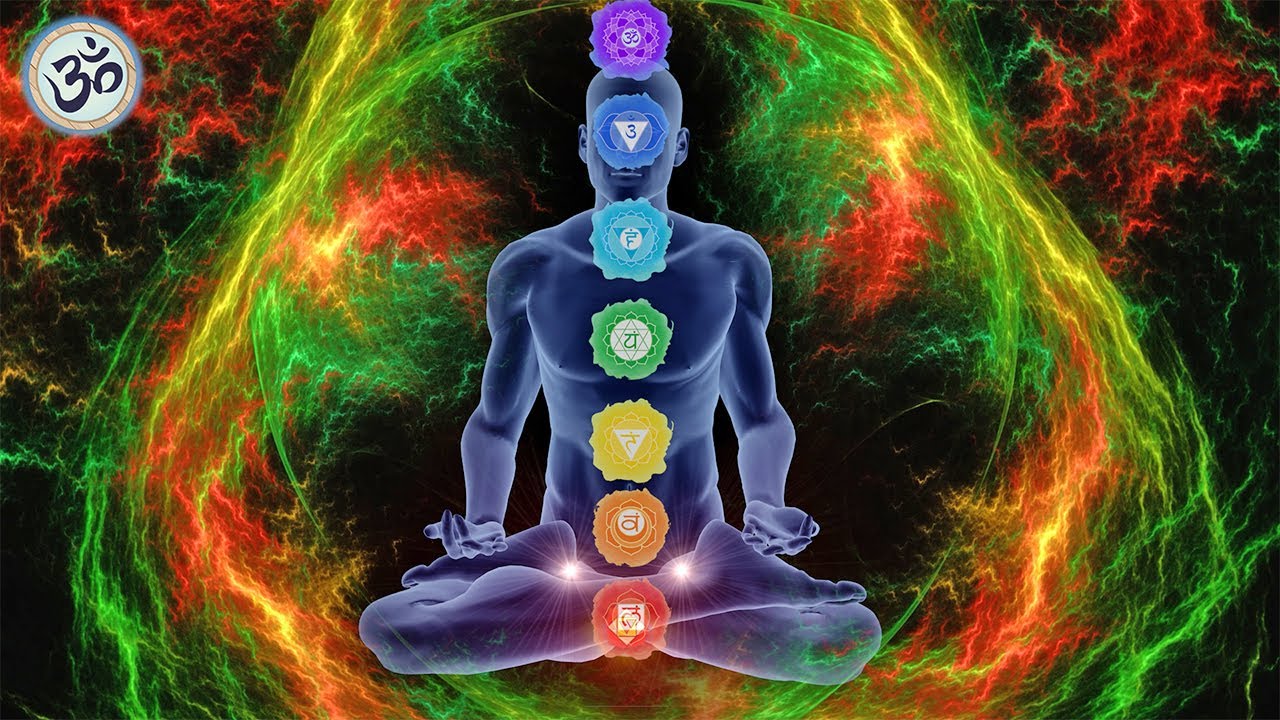
Head Position: Putting hands on the crown of the head assists stabilize energy and promote mental clarity. Third Eye Position: By positioning hands on the forehead between the eyebrows, specialists improve instinct and promote spiritual insight. Throat Position: Putting hands on the throat area help in communication and expression of emotions. Heart Position: The heart position promotes love, compassion, and emotional healing. Solar Plexus Position: By putting hands on the upper abdomen, professionals promote individual power and confidence. Sacral Position: Putting hands on the lower abdominal area supports creative energy and psychological well-being. Root Position: The root position involves placing hands on the pelvic location to promote grounding and stability.These are simply a couple of examples of the different hand positions made use of in Reiki. Each position corresponds to a specific energy center and adds to general balance and wellness.
Reiki Symbols: A Deeper Dive into Their Origins
To genuinely understand the concealed significances behind the spiritual symbols of Reiki, it is vital to explore their historic origins. The signs used in Reiki can be basic self care checklist depression traced back to Mikao Usui, the creator of the Usui System of Reiki. Usui supposedly received these signs during a spiritual awakening on Mount Kurama in Japan.
The History of Reiki Symbols
The history of Reiki signs go back to the early 20th century when Mikao Usui established the Usui System of Reiki. While there are variations in how symbols are taught and utilized among different Reiki lineages, the core signs have remained mostly consistent.

The Advancement of Symbolic Meanings
Over time, the symbolic meanings attributed to each sign might have developed or been interpreted differently by different specialists. It is necessary to note that specific analyses might differ, as significance typically holds personal significance based upon one's experiences and beliefs.

Reiki Energy: Comprehending the Circulation of Universal Life Force Energy
At the heart of Reiki lies its fundamental principle of utilizing universal life force energy. This energy flows through all living beings and is believed to be responsible for keeping physical, psychological, and spiritual wellness. Understanding the circulation of this energy is important for practicing Reiki effectively.
What is Universal Life Force Energy?
Universal vital force energy, often described as Ki or Chi in various cultures, is the important vital force that penetrates whatever around. It is this energy that allows plants to grow, hearts to beat, and bodies to heal. In Reiki, professionals carry this energy through their hands to help with healing.
How Does Reiki Energy Work?
Reiki energy works by harmonizing and balancing the energy centers, or chakras, within the body. When these chakras are blocked or imbalanced, it can manifest as physical or emotional conditions. By funneling Reiki energy, practitioners help get rid Reiki healing of blockages and bring back the natural circulation of energy, promoting recovery on all levels.
Reiki Levels: Advancing on the Course of Healing
As people delve deeper into their Reiki practice, they advance through various levels or degrees of attunement. Each level deepens their connection to Reiki energy and expands their capability to channel and use its healing properties.
Reiki Level 1: Foundation of Self-Healing
Reiki Level 1, also referred to as the First Degree, focuses on self-healing. At this level, people discover the fundamental hand positions and strategies for carrying out a self-treatment. They also receive their first attunement, which opens them to the circulation of Reiki energy.
Reiki Level 2: Expanding Recovery Abilities
Reiki Level 2, also called the 2nd Degree, builds on the structure developed in Level 1. At this phase, practitioners discover sacred symbols and their applications for distant healing. They get additional attunements that improve their capability to funnel energy beyond physical proximity.
Reiki Master Levels: Deepening Mastery and Teaching Others
Beyond Level 2, there are numerous Master levels in Reiki that individuals can select to pursue. These levels focus on deepening proficiency and expanding mentor abilities. The journey towards ending up being a Reiki Master is typically considered as a long-lasting commitment to individual development and spiritual development.
Energy Recovery: Exploring Alternative Modalities
While Reiki is a prominent kind of energy recovery, many other methods exist that harness the power of universal life force energy for recovery purposes. Let's check out some alternative energy recovery practices:
Pranic Healing: Pranic Healing utilizes the adjustment of energy fields to remove obstructions and promote healing. ThetaHealing: ThetaHealing includes meditation and prayer to access the theta brainwave state and assist in recovery on all levels. Crystal Healing: Crystal Recovery involves positioning crystals on or around the body to stabilize energy centers and promote holistic healing. Sound Healing: Noise Healing makes use of numerous sound frequencies, such as singing bowls or tuning forks, to bring back harmony and balance within the body. Reconnective Healing: Reconnective Healing concentrates on accessing a spectrum of recovery frequencies that facilitate the repair of physical, emotional, and spiritual well-being.These techniques, together with Reiki, provide individuals a wide range of choices for checking out and experiencing the extensive advantages of energy healing.
FAQs About Decoding the Sacred Signs of Reiki: Discovering Their Concealed Meanings
1. What is the significance of the sacred signs in Reiki?
The sacred symbols in Reiki hold deep meaning and power. They serve as secrets that open specific elements of healing and boost the flow of energy throughout a Reiki session.
2. Can anyone discover to decode the signs' concealed meanings?
Yes, anyone can learn to translate the covert meanings behind Reiki symbols with appropriate training and practice. It requires an understanding of their historical origins, individual interpretation, and connection to universal life force energy.
3. Are there various analyses for each symbol?
Yes, various professionals may have differing analyses for each symbol based on their experiences and beliefs. Meaning typically holds individual significance that resonates with an individual's special journey.
4. How do Reiki hand positions contribute to healing?
Reiki hand positions correspond to different areas of the body and energy centers, permitting specialists to carry energy with precision. Each position promotes balance, healing, and overall well-being.
5. Is Reiki the only type of energy healing?
No, Reiki is simply one of lots of types of energy recovery. Other techniques, such as Pranic Recovery, ThetaHealing, Crystal Healing, Noise Recovery, and Reconnective Recovery, also harness the power of universal life force energy for recovery purposes.
6. What are the benefits of deciphering the sacred signs of Reiki?
Decoding the sacred symbols of Reiki enables professionals to deepen their understanding and connection to the healing art. It improves their capability to channel energy successfully and promotes holistic recovery on all levels.
Conclusion
Decoding the spiritual symbols of Reiki unveils their covert meanings and supplies specialists with a deeper understanding of this effective recovery method. These signs act as gateways to particular elements of recovery and spiritual development. By checking out each symbol's significance, professionals can unlock the full potential of Reiki's transformative energy. Through continued practice and research study, one can embark on a profound journey towards self-discovery, healing, and spiritual awakening.